STAY INFORMED
Vernon City Council is being asked to make a decision that carries long-term financial consequences for every Vernon taxpayer.
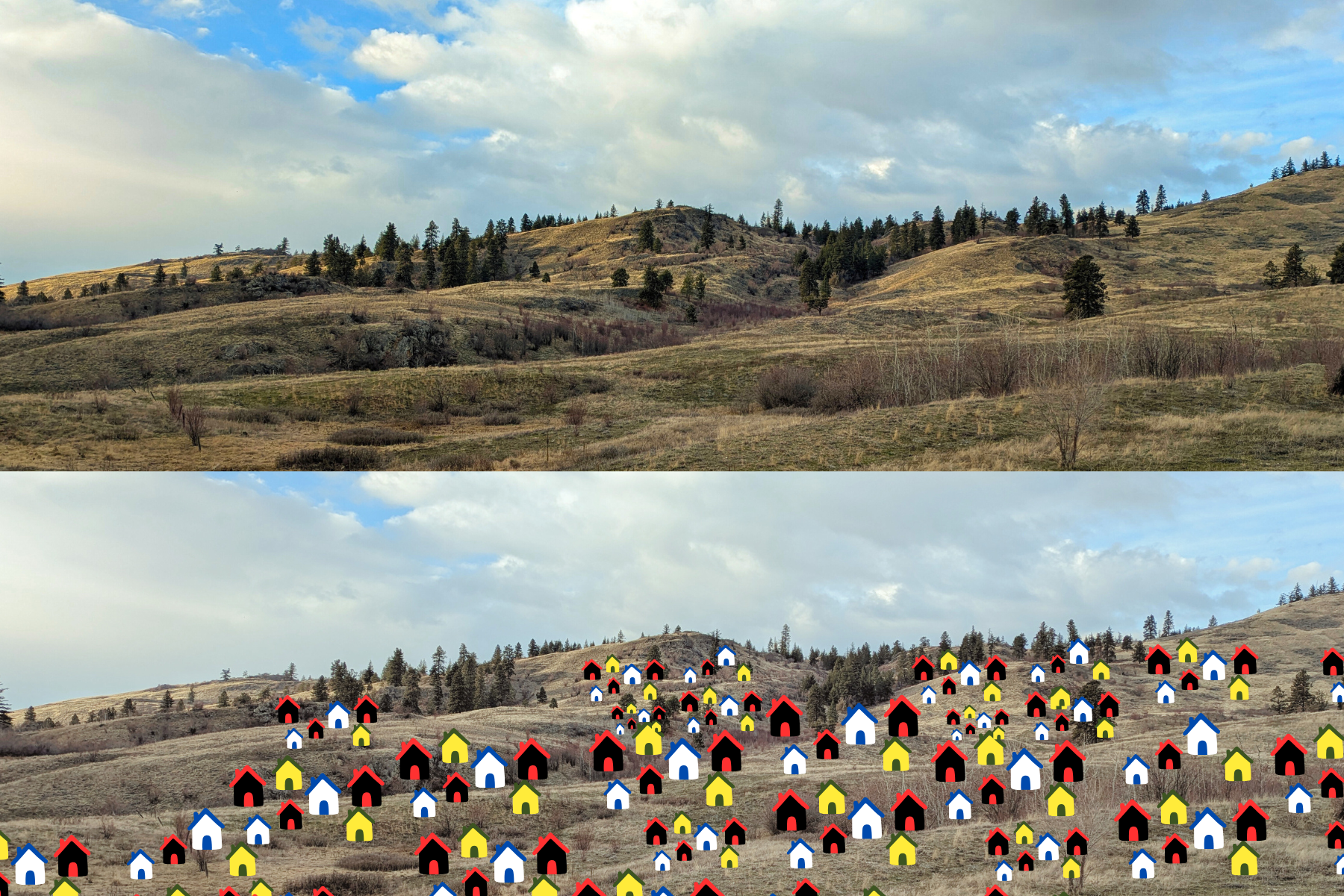
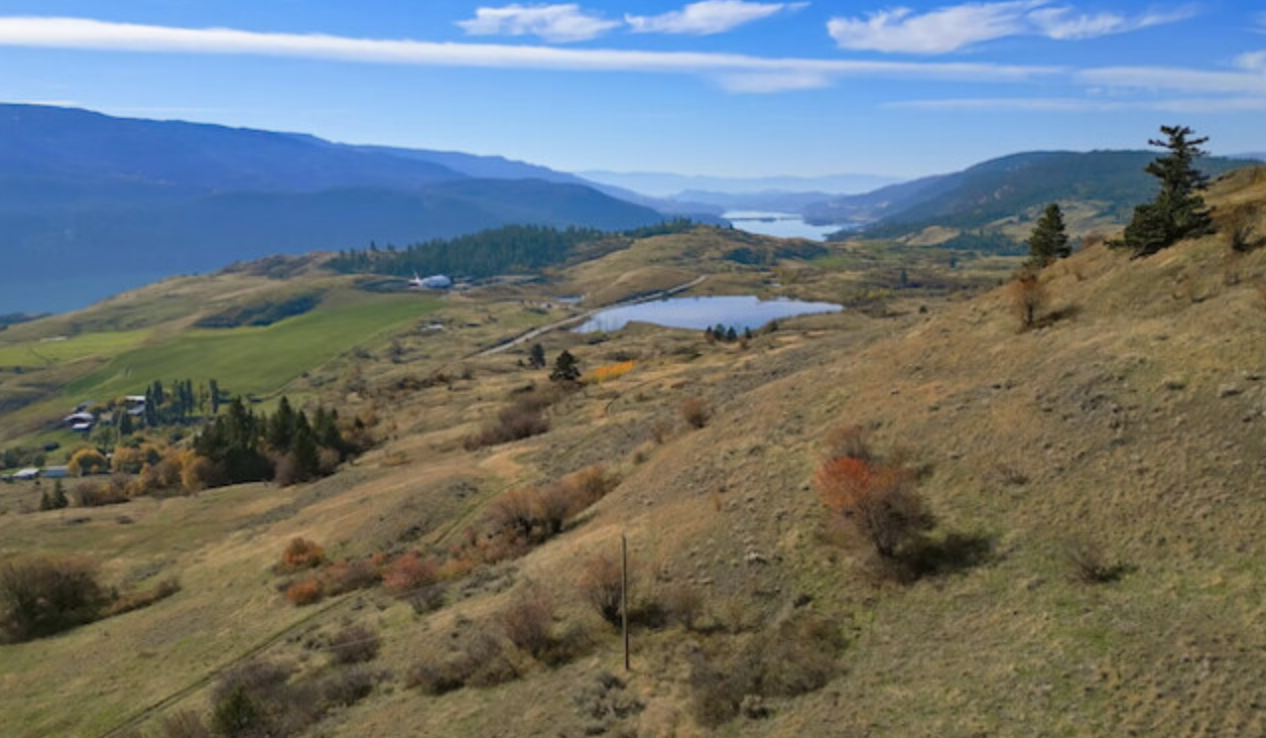
If approved by Council, the 580 Commonage proposal would open the door for development company Kerkhoff Develop-Build to start a major hillside development of about 4000 housing units located 7 km from Vernon’s downtown core. New development can look like progress, however research and history prove that low-density developments built far from a city’s core create long-term costs for the community that exceed the revenues these developments bring in. Roads, water and sewer pipes, drainage systems, snow clearing, emergency services, and infrastructure repairs must be paid for and maintained forever — by taxpayers.
The red flags are clear:
- As explained by Vernon city planning staff during public meetings, 7000 housing units remain unbuilt from hillside developments approved by the City Council years ago – these unbuilt developments are already being serviced by the City and its taxpayers, yet are not bringing in any revenue to Vernon
- Hillside developments are a permanent burden on taxpayers, especially residents in established neighbourhoods who are subsidizing the higher costs of servicing distant, low-density developments
- Kerkhoff’s 580 Commonage proposal would put houses in wildfire-prone, environmentally sensitive hillsides that provide wildlife habitat, store carbon, protect water, and give residents access to nature. These are not empty lands — they are part of the natural systems that make Vernon livable and resilient.
This decision is not just about housing. Will Vernon’s City Council choose financially responsible growth that strengthens the community, or high-risk sprawl that saddles residents with higher taxes and contributes to permanent destruction of the natural landscapes that define our city?
THE COSTS & RISKS OF 580 COMMONAGE:
Click on each arrow below to learn more about the hidden costs of sprawl.
Permanent Tax Burden
Developers build infrastructure once. Taxpayers maintain and replace it forever.
Compared to high-density development in the city core, hillside sprawl development requires more:
- New roads, water lines, sewer pipes, stormwater systems
- Snow clearing and waste collection
- Fire and emergency services
- Slope stabilization and drainage systems
Over time, maintenance and replacement costs exceed tax revenues. Residents in established neighbourhoods end up footing the bill. We are already seeing this. Existing hillside areas remain partially built, expected revenues have fallen short, and servicing costs are rising.
Hillside Sprawl is Not Affordable Housing
The numbers don’t add up – Kerkhoff is using the misleading phrase “attainable housing” to sell unaffordable sprawl:
- Average housing prices in hillside neighbourhoods are more expensive than in the city core
- Leasehold land means a perpetual payment for housing (i.e. a home“owner” would never truly own a home in the Commonage – they’d pay about $500 monthly lease fees forever)
- Leasehold land means the homeowner does not benefit from increases in land value
- Leasehold land means the homeowner’s ability to make housing improvements is limited
Compact communities close to a city’s core support real affordability and real solutions to the housing crisis. Hillside sprawl is unaffordable.
Higher Household Costs
True affordable housing lowers total living costs — not just the sticker price.
- Housing far from a city’s core requires one or more cars
- Lack of transit requires more trips to town
- Fuel, insurance, maintenance, and parking add thousands of dollars per year to a household’s expenses.
Increased Wildfire Danger
Hillside neighbourhoods next to forests and grasslands sit in high-risk wildfire zones:
- Wind drives fires uphill at a faster rate.
- Evacuation routes are limited.
- Climate change is making fires more intense and frequent.
More homes in these areas mean greater danger for families and greater strain on emergency services.
Loss of Nature
These hillsides are part of a rare, connected natural landscape. Development would:
- Destroy habitat for species at risk
- Fragment ecosystems and wildlife corridors
- Increase wildlife–vehicle collisions
- Increase human–wildlife conflicts
- Spread invasive species
Parks and trails do not replace intact ecosystems. Once natural land is developed, it is changed forever.
Climate Chaos
Sprawl & hillside development mean:
- More driving and higher fuel emissions
- Hotter neighbourhoods and more emissions from air conditioning
- Loss of carbon-storing landscapes
580 Commonage moves Vernon away from climate-friendly growth.
Democracy at Risk
This proposal conflicts with Vernon’s adopted plans, including the Official Community Plan (OCP), Climate Action Plan, Transportation Plan, Housing Needs Report, Sensitive Ecosystems Inventory, and Parks Master Plan.
If Council approves Kerkhoff’s 580 Commonage, they:
- Undermine smart growth principles that Council officially adopted in their strategy
- Ignore widely-accepted best practice for planners
- Undermine public participation in community planning (e.g. over 4000 Vernon residents shaped the OCP)
- Erode public trust in municipal government
“The real problem with sprawl isn’t how it looks. It’s that it doesn’t work. It doesn’t generate enough wealth to sustain itself. And when cities and regions aggressively build out instead of maturing from within, they commit themselves to unpayable liabilities that only get worse with time.”
Charles Marohn, Founder & President of Strong Towns
strongtowns.org
AN ALTERNATIVE VISION
Vernon has better options for growth and addressing the housing crisis – and they are already in the Official Community Plan.
We can grow in ways that are:
- Financially responsible
- Truly affordable
- Wildfire-resistant
- Livable and walkable
- Climate-friendly
- Protective of nature
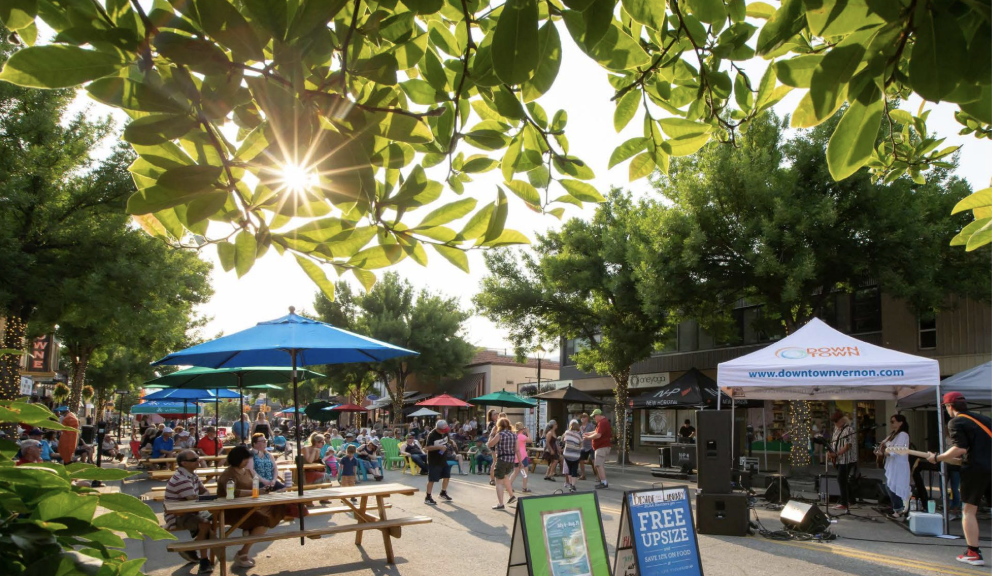
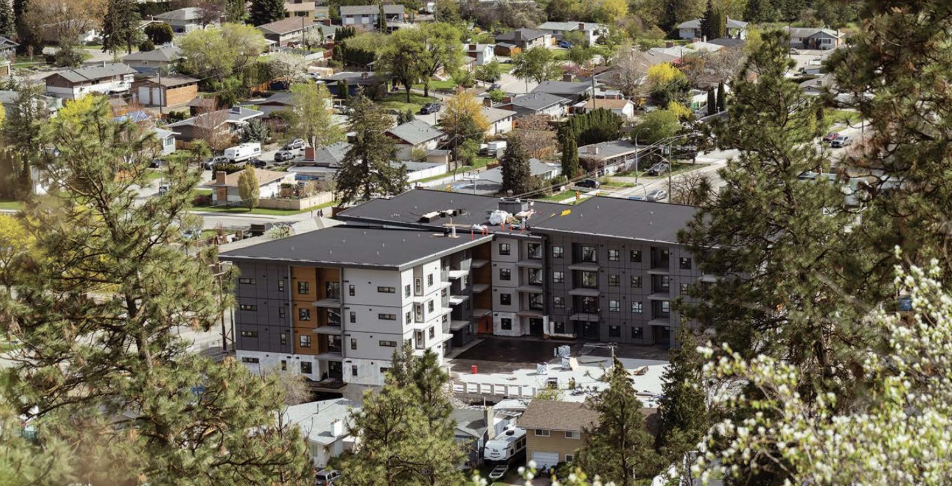
We need compact, mixed-use development in the city core and existing neighbourhoods that:
- Uses existing infrastructure
- Supports public transit
- Strengthens local businesses
- Reduces traffic, congestion, and emissions
- Keeps taxes more stable
- Preserves large, connected natural areas
This is how we build complete communities while protecting what makes Vernon special.
TAKE ACTION
Community voices matter – but only if we speak up! Click the arrows below to learn ways to take action.
Contact Vernon’s Mayor and Council
Tell them why you oppose Kerkhoff’s 580 Commonage development, and why you support responsible, compact growth and strong hillside protections. Letters are considered more powerful than emails, but both are great.
EMAIL: mayor@vernon.ca tdurning@vernon.ca kfehr@vernon.ca kgares@vernon.ca bguy@vernon.ca amund@vernon.ca bquiring@vernon.ca
MAIL LETTERS: 3400-30th Street, Vernon, V1T5E6 (or drop-off at reception).
Attend council meetings and public hearings
There will be council meetings and a public hearing regarding the 580 Commonage proposal. All of them count – attend the meetings and hearing, bring friends, and tell the City why financial responsibility, wildfire safety, affordable living, climate change, and nature matter to you.
Decisions are influenced by who shows up. We will share meeting dates on our mailing list and social media pages.
Donate
Help us cover costs associated with printing, lawn signs, social media promotion, event costs, and more.
E-transfers can be sent to accounts@sensociety.org. Please indicate the donation is for Stop Sprawl Vernon (SSV).
Spread the word!
Many people don’t know the long-term costs of sprawl and hillside development.
- Talk with neighbours, friends, and local groups
- Like, comment, repost, and reshare our social media posts
- Invite your friends to join our mailing list
- Email stopsprawlvernon@gmail.com if you want to help this campaign
Responsible growth protects taxpayers, protects nature, and protects people.
Hillside sprawl puts all three at risk.
Watch, Read, Listen
Join 900+ subscribers
Stay in the loop with everything you need to know.